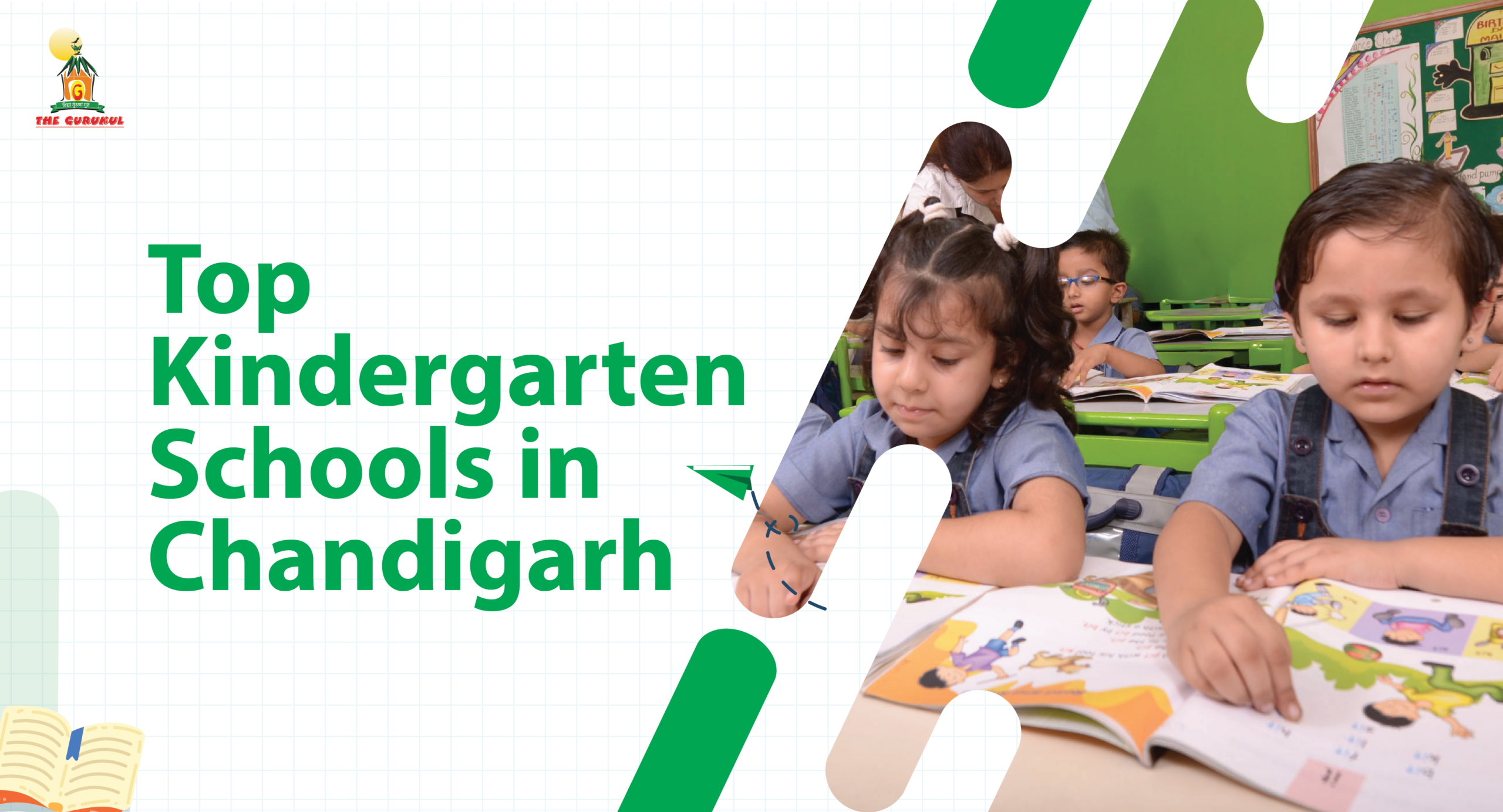
Kindergarten does not feel like a big decision when you are in the middle of making it. The big decisions feel like they come later, the ones with more obvious consequences attached to them, the ones other parents talk about in more serious tones. Kindergarten is just the beginning. Just somewhere for the child to go, somewhere safe, somewhere not too far, somewhere that feels right in that hard to explain way. And then the child actually starts going there and something happens slowly over the first few months that makes you realise the beginning was not as small a thing as it felt when you were choosing it.
Whether it is somewhere you are curious or somewhere you are careful. Whether it is somewhere adults look after you or somewhere you have to figure out how to manage. These impressions form early and they are stubborn. They do not disappear when the child moves to the next class. They just sit there underneath everything else.
What This Age Actually Needs
Parents almost always start with the reading question. Will my child learn to read, will they know their numbers, will they be ready for Class 1.These are not wrong questions. They are just not the first questions that matter for a three year old and the schools that lead with academic content at this age often do so because it gives parents something measurable to feel reassured by rather than because it is what the child actually needs first.
What a child at three or four needs is to know how to be in a group. How to want something and not get it immediately without the whole situation collapsing. How to tell an adult what they need. How to move between things without it being a crisis every time. How to sit with another child they do not know yet and find some way in. These sound ordinary. They are not ordinary. They are the foundation that everything academic eventually builds on and a child who does not have them when formal learning begins is in a harder position than a child who knows their alphabet but has all of these in place.
The best kindergarten schools in Chandigarh understand this in a way that shows up in the programme rather than only in what the principal says during the tour. You can see it during a visit. Not in the display boards or the curriculum documents but in what happens when something goes wrong between two children and a teacher has to respond. In whether the children in the room look genuinely absorbed in something or vaguely performing. In the texture of the place on an ordinary morning.
Also Read – How to Apply to the Best Schools in Chandigarh for Admission
The Room Itself
Young children are sensitive to the environment in a way that adults mostly forget about themselves. The size of the furniture, the noise level, the light, how organised things are, whether a child can get to what they need without always waiting for someone bigger to help them, whether the space feels made for them or arranged around other priorities. All of this registers at three years old even though the child has no words for it. It shows up in how settled they are through the day, in how much of their energy goes to navigating the environment versus actually being in it.
Outdoor space is the thing parents tend to look past when they are comparing top kindergarten schools in Chandigarh. It feels less impressive than a smart classroom or a reading corner. But play at this age is not the thing that happens after learning. It is the learning. The negotiation with another child over the rules of a game, the persistence of trying to build something that keeps falling, the management of frustration and disappointment and recovery, these are developing through play in ways that sitting at a table and tracing letters is not developing them. A school that takes outdoor time seriously and builds it into the day deliberately is doing something real even when it looks less academic on the surface.
The Person in the Room
Nothing else matters as much as this. Not the building, not the location, not the curriculum document, not the name of the school at the gate. Who is actually in the classroom with a child every day for two or three years is the thing the whole experience rests on.
Teaching children who are three and four years old properly requires something that is quite hard to fake over the course of a full day. The warmth that is still there at three in the afternoon. The ability to notice what one specific child is doing in a room full of children doing other things. The patience that comes from genuinely enjoying this age rather than from deciding to be patient because the job requires it. The capacity to hold a room with structure and care at the same time without one coming at the expense of the other.
During a visit to kindergarten schools in Chandigarh the most useful thing to do is watch the teacher rather than listen to the presentation. Whether they get down physically to a child’s level when they speak to them. Whether children in the room drift toward them or keep a careful distance. Whether the warmth is the same quality at the end of the visit as it was at the beginning. This tells you more about what the child’s daily experience will be than anything else in the building.
Read More – How to Choose the Best Pre Schools in Chandigarh for Your Child
The Geography Question
Families in Chandigarh look at Panchkula options for kindergarten more often than the city boundary would suggest and it makes sense because the tricity region works as one connected area in practice regardless of how it is divided administratively. Some of the stronger early years programmes sit on the Panchkula side and there is no reason to rule them out on geography alone.
The commute deserves more thought at this age than parents usually give it. A three year old who has been in a car for forty minutes before school is starting the day in a particular state that a seven year old in the same car would not be starting it in. It shows how long it takes to settle, and how much they can give in the morning. Close enough to arrive not exhausted is a real factor at three years old, not just a preference.
The Gurukul runs Cocoon its early years programme in Sector 20 Panchkula as part of the same institution that runs school branches in Sector 29 and Zirakpur all under the Darbari Lal Foundation. For families thinking about the kindergarten years and the school years after them as one connected question, Gurukul is the place to start looking!
FAQs
1. What should parents look for in kindergarten schools in Chandigarh beyond academics?
The social and emotional programme matters most at this age. How teachers handle difficult moments between children, whether the environment feels genuinely calm and sized for small people, whether outdoor play is treated as real learning time or fitted in around instruction. These things shape what school feels like before the academic content becomes the point.
2. How important is outdoor play at the best kindergarten schools in Chandigarh?
More important than it looks. Play is how children at three and four build the cognitive flexibility, emotional regulation and social capacity that formal learning later depends on. Schools that take it seriously and build it deliberately into the day are investing in development that a worksheet cannot replicate.
3. What age should children start kindergarten?
Most programmes begin at three. The more useful question is whether the child has had enough experience of being away from the people they feel safest with to manage the separation without being overwhelmed. Children who have spent regular time in new places with unfamiliar adults before starting school settle into kindergarten considerably more easily.
4. What should parents watch during a kindergarten school visit?
The teacher is more than the facilities. Whether they get down to a child’s level when they speak. Whether children approach them readily or keep a careful distance. Whether the warmth is consistent through the visit rather than switched on for the observation. Teacher quality at this age determines the daily experience more than any other single thing.
5. Should families in Chandigarh consider top kindergarten schools in Panchkula?
Yes. The geography makes it practical. The commute deserves honest thought at this age specifically because young children spend energy on travel that older students do not and arriving depleted at three years old affects the whole day in ways worth factoring into the decision properly.
Tags: Best Kindergarten Schools Chandigarh, Kindergarten Schools Chandigarh, Top Kindergarten Schools Chandigarh