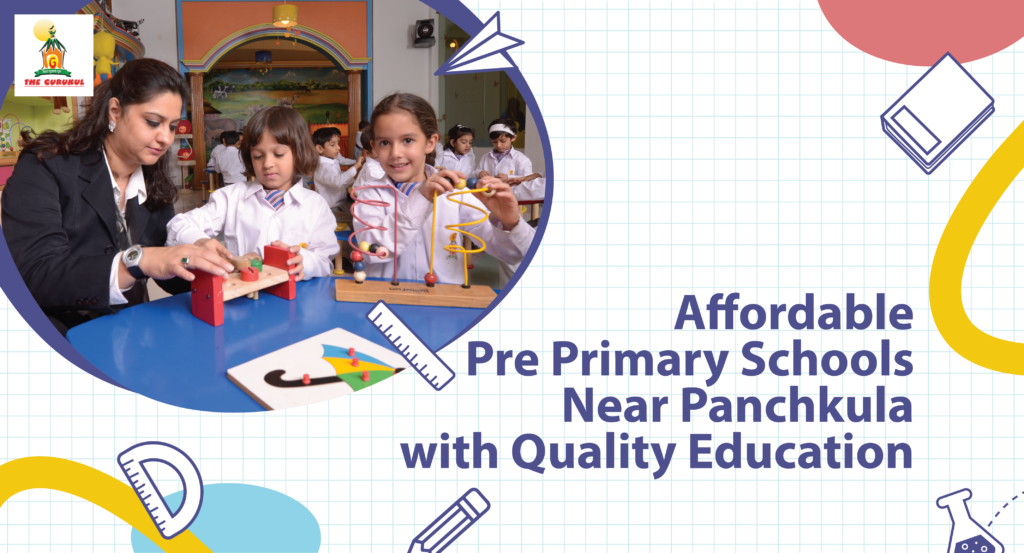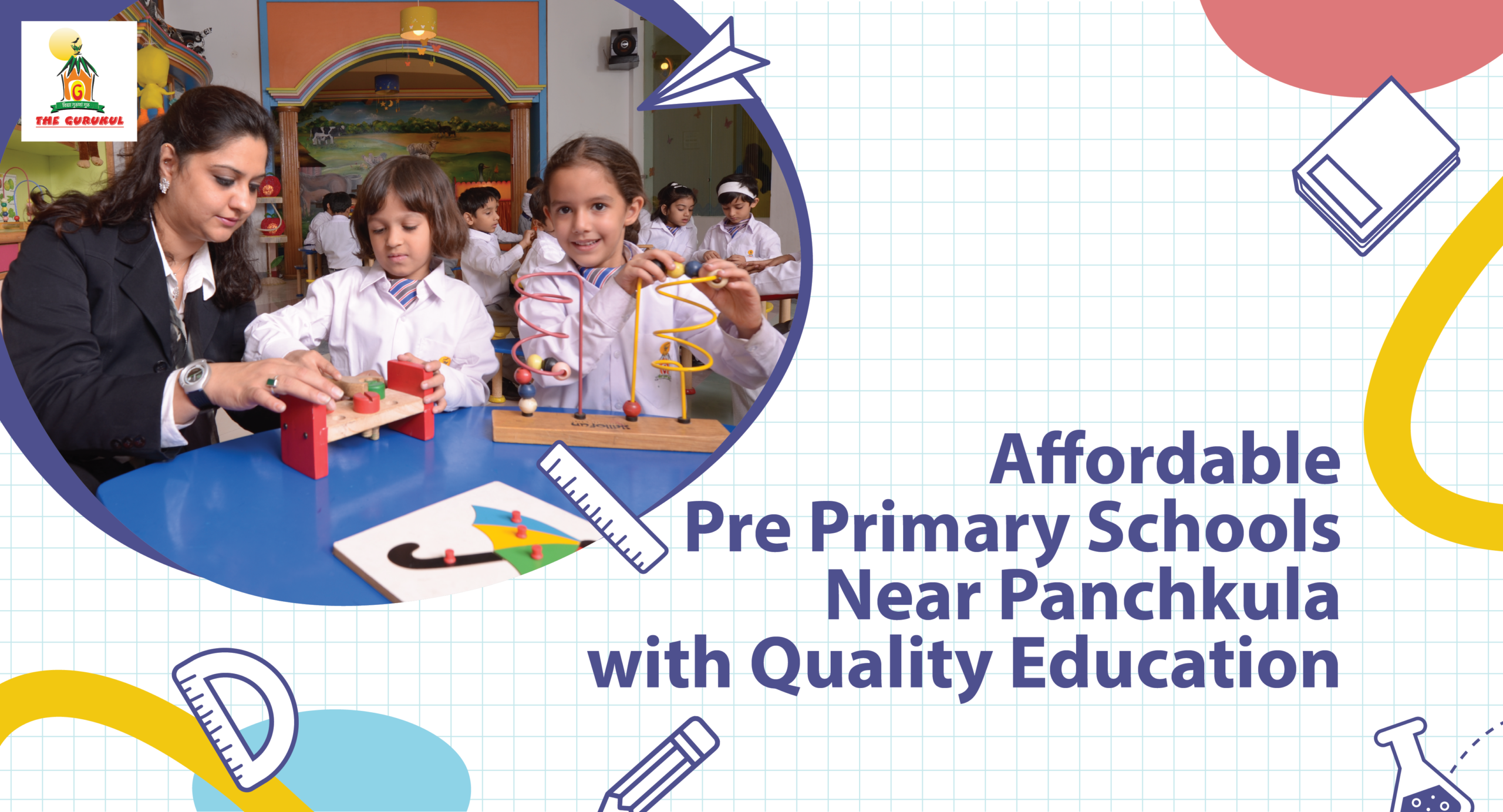
Affordable and quality are two words that people put together in school searches with a kind of hope that the combination actually exists rather than confidence that it does. Because the general assumption, the one that sits quietly underneath most school conversations in Panchkula, is that you get one or the other. The good schools cost more than is comfortable and the affordable ones require you to make peace with certain compromises. This assumption is not completely baseless but it is not as fixed as it feels when you are in the middle of a school search with a budget that is what it is and a child who needs somewhere good to start.
What is actually true is that the relationship between school fees and school quality at the pre primary level is less direct than most parents assume. The things that make a pre primary school genuinely good for a three or four year old are not the things that cost the most money to provide. They are not the smart boards or the imported play equipment or the elaborate campus. They are the quality of the adults in the room with the children and the culture that those adults have built together over time.
These things exist at different fee levels. Finding them requires looking at the right things rather than using fees as a proxy for quality, which is the shortcut most people take because it is the most available shortcut.
What Pre Primary Education Is Actually For
This is worth saying clearly because it affects what you look for. Pre primary education for a three to five year old is not preparation for academics. It is not about getting ahead, not about learning to read before Class 1, not about any of the measurable things that parents sometimes use to evaluate whether a programme is working. It is about the child developing the capacity to be in a group of other children without falling apart, to manage small frustrations without a complete collapse, to communicate what they need to an adult who is not their parent, to be curious about things in their environment rather than anxious about them.
These capacities sound ordinary because they are things most adults take for granted in themselves. They are not ordinary when you are three years old and everything outside home is still relatively new and relatively uncertain. And they are the foundation that everything else rests on. A child who has them when formal schooling begins is in a fundamentally different position from a child who does not regardless of how many letters or numbers either of them knows.
The best pre primary school in Panchkula, affordable or otherwise, is the one where the programme is built around this understanding. Where the teachers know what they are actually trying to develop rather than what they can show parents at the end of term to prove that something is happening.
The Teacher Question Again
It keeps coming back to this because it is the thing that matters most and the thing that fees correlate with least reliably. A teacher who genuinely enjoys this age, who has the patience that comes from actually wanting to be in a room with three year olds rather than having decided to be patient because the job requires it, who notices individual children in a room full of them, who responds to a difficult moment between children in a way that builds something rather than just resolves the immediate situation, this person is not always at the most expensive school in the area. Sometimes they are. Sometimes they are not.
During a visit to any top pre primary school in Panchkula this is the thing worth giving the most attention. Not the facilities, not the prospectus, not the principal’s description of the programme. The actual person who will be in the classroom with your child. How they move through the room. Whether they get down to a child’s level when they speak. Whether children drift toward them or keep a careful distance. Whether the warmth is still there at the end of the morning or was primarily there for the observation.
You can see this during a visit. It is not subtle when it is present and it is not subtle when it is absent.
Also Read – Best Pre Schools in Panchkula — Admission Process & Tips
Environment and What It Does at This Age
Young children are sensitive to their physical environment in ways that older children and adults mostly forget. The organisation of the space, whether it is too loud or too chaotic, whether children can reach things they need without always waiting for an adult, whether the room feels calm and made for small people or arranged for other priorities, all of this registers in ways the child cannot articulate but that show up in how settled they are through the day.
Outdoor space matters here more than its absence from most school comparison conversations would suggest. Play is not the reward for finishing the learning at pre primary age. It is the learning. The social negotiation, the persistence, the management of frustration, the development of imagination, these happen through play in ways they do not happen through structured instruction for a three year old. An affordable school that takes outdoor time seriously and has a genuine outdoor programme is doing more for child development than an expensive school with beautiful interiors and limited outdoor time.
Read More – Top Qualities to Look for in the Best Schools in Panchkula
What Affordable Actually Means in This Context
Affordable means different things to different families and it is worth being honest about what it means for yours before the search begins rather than discovering partway through that affordable in the context of Panchkula pre primary schools covers a range that is wider than expected. The fee structure is one part of what it actually costs. Transport, meals if provided, activity materials, annual fees that sometimes appear separately from the term fees, the total cost is the number worth knowing not the headline fee alone.
Scholarship options exist at some pre primary schools in Panchkula and are worth asking about directly rather than assuming they do not apply. Some schools have sibling concessions, some have merit-based reductions, some have provisions for families in specific circumstances. These are not always advertised but they are available at more schools than most parents realise when they are comparing options on fee alone.
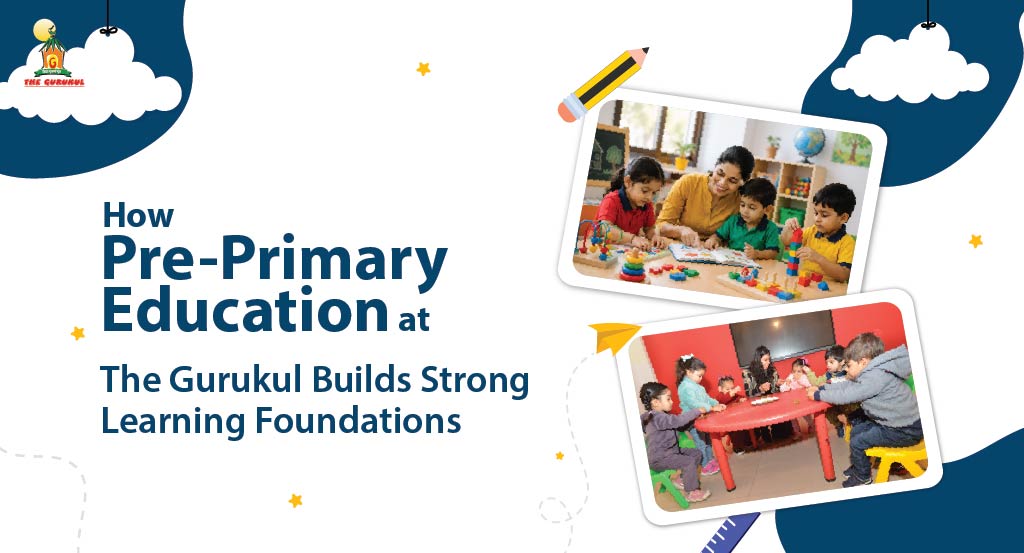
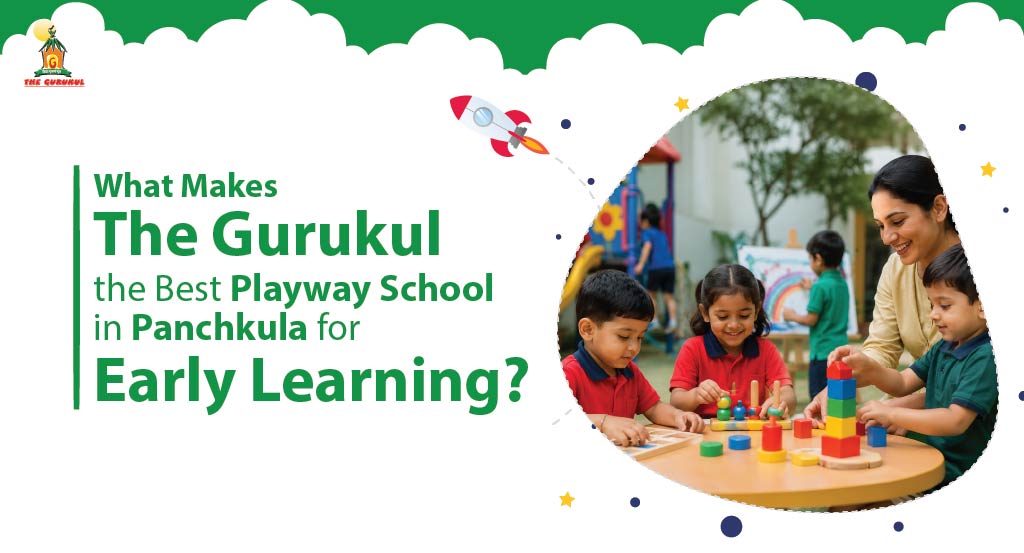
The Gurukul‘s Cocoon programme in Sector 20 Panchkula is early years provision within the same institution that runs school branches across Panchkula and Zirakpur under the Darbari Lal Foundation. It brings the same educational approach and the same seriousness about what pre primary years actually need to accomplish to a fee structure designed to be accessible. For families in and around Panchkula trying to find somewhere genuinely good without the fees that usually accompany that description, the Gurukul is definitely worth looking at before the search gets overwhelming.
FAQs
1. What makes a pre primary school in Panchkula genuinely good at an affordable fee?
Teacher quality more than anything else. The adults in the room, their genuine warmth and skill with this age group, the culture they have built in the classroom — these are the things that make the experience good for a child and they do not always cost more. Looking at the teachers during a visit rather than at the facilities gives a more honest picture than the fee level does.
2. What should a best pre primary school in Panchkula be doing for children at this age?
Building the social and emotional capacities that formal learning depends on later. The ability to be in a group, to manage frustration, to communicate needs, to be curious rather than anxious in new situations. These matter more at three and four than academic content and the schools that understand this show it in how the programme is structured not just in what the prospectus says.
3. How should parents evaluate pre primary schools during a visit?
By watching what happens in ordinary moments rather than during the arranged part of the visit. How a teacher responds when two children have a conflict. Whether children seem genuinely absorbed or performing for the adults present. Whether the warmth of the teachers is consistent through the visit. These things are more informative than the formal tour.
4. Is outdoor play important at affordable pre primary schools in Panchkula?
More important than most fee comparisons account for. Play is how children this age develop the cognitive and social capacities that everything else later builds on. A school with genuine outdoor time built deliberately into the programme is doing something real for child development even when it does not look as impressive as academic instruction on the surface.
5. Are there affordable options for pre primary schooling in Panchkula that do not compromise on quality?
Yes. The assumption that good pre primary education is automatically expensive is less accurate than it tends to feel during a school search. Teacher quality and programme culture can exist at different fee levels. The search requires looking at the right things rather than using fee as a shortcut for quality which is the most common mistake in this particular decision.
Tags: Best Pre Primary school in Panchkula, top Pre Primary school in Panchkula